AHERF EV Biofoundry — Diagnostics to CommercializationEV BiofoundryCliniConnectEV-Qual™ServicesStart an Enquiry
About AHERF

AHERF: Advancing hospital-integrated research and translational medicine

Apollo Hospitals Educational & Research Foundation (AHERF) was established in 2006 as a non-profit organization and is recognized by the Department of Scientific and Industrial Research (DSIR) as a Scientific and Industrial Research Organization (SIRO).

InstitutionEstablished in 2006

AHERF promotes basic, applied, clinical and translational medical research to enhance healthcare quality in India.

RecognitionDSIR SIRO

AHERF is recognized as a Scientific and Industrial Research Organization by the Department of Scientific and Industrial Research.

Clinical ecosystemApollo Hospitals network

The foundation connects research programs with Apollo’s clinical expertise, patient-care environment and translational healthcare needs.

Research orientationClinical and translational research

AHERF supports work across liquid biopsy, molecular diagnostics, EV/exosome research, biomarkers, validation and training.

Institutional overview

AHERF is the institutional foundation for hospital-integrated research, translational medicine, education, innovation and clinical-scientific collaboration within the Apollo ecosystem. Its public mission includes promoting basic, applied and clinical medical research and supporting leading clinical and translational research.

  • Institutional research foundation within the Apollo ecosystem.
  • Support for clinical, scientific, educational and innovation programs.
  • Bridge between hospital questions, research execution and translational outcomes.
  • Anchor for collaborations, capability building and future university-linked research activity.
Vision and mission

AHERF’s public vision is to be a world-class clinical and translational research entity supporting personalized and precision medicine. Its mission includes translational and clinical research, workforce development, and clinical infrastructure for developing and validating medical devices and assays.

History and research journey

AHERF has evolved from a research-support environment into a translational research ecosystem that supports clinical programs, biomarker development, advanced diagnostics, training and innovation.

  • Development of hospital-linked research capability.
  • Expansion toward molecular, biomarker and translational research.
  • Support for clinician-scientist collaboration and academic outputs.
  • Movement from discovery-oriented work toward validation-ready and deployment-oriented pathways.
Apollo ecosystem advantage

The Apollo ecosystem provides the clinical proximity required for translational research: clinical questions, departments, disease programs, patient cohorts, implementation feedback and opportunities to connect science with healthcare delivery.

  • Hospital-linked clinical questions.
  • Access to disease-area expertise through clinical departments.
  • Potential for cohort-based research under ethics and governance pathways.
  • Environment for translating validated findings into clinician-readable and patient-relevant outputs.
Role in proposed university readiness

AHERF can support the proposed university story by providing a research-rich clinical environment, translational training infrastructure, scientific mentorship, industry-relevant programs and applied research pathways.

  • Research foundation for advanced life-science and translational programs.
  • Clinical and scientific ecosystem for student exposure.
  • Training links with diagnostics, biomarkers, EVs, clinical research, AI and quality systems.
  • Institutional platform for internships, dissertations, workshops and faculty development.
Leadership and institutional governance

Public AHERF leadership information identifies senior institutional, scientific and operations leaders supporting research, innovation and translation.
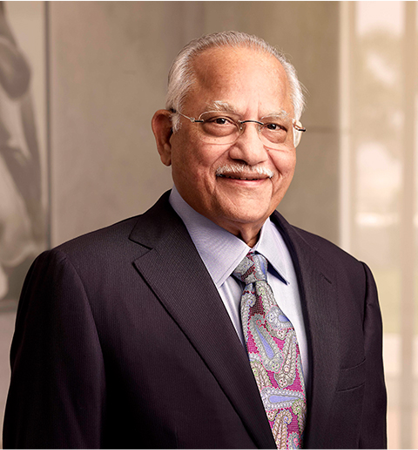
ChairmanDr. Prathap C. Reddy

Founder-Chairman of Apollo Hospitals and a central figure in modern Indian healthcare.
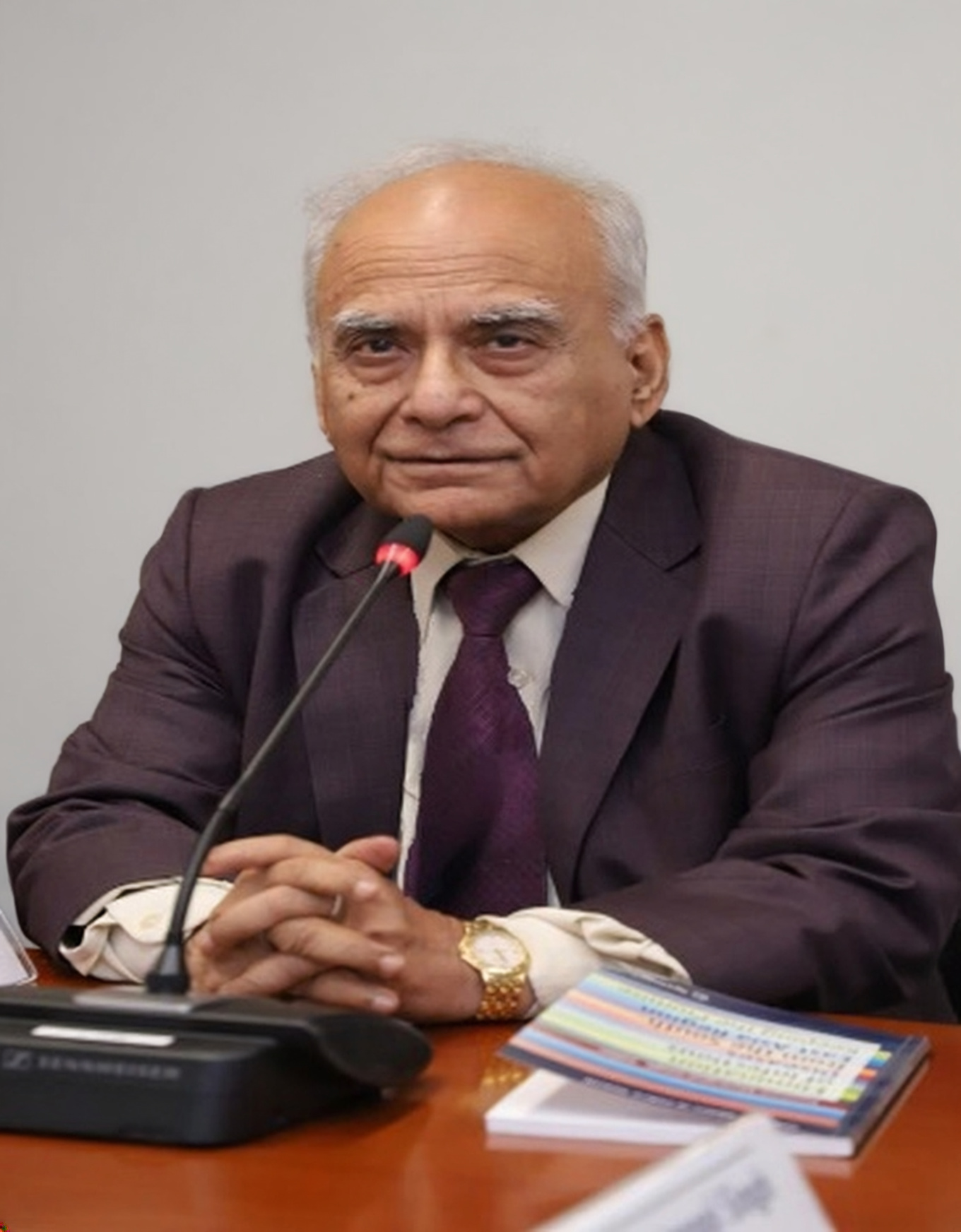
PresidentProf. N. K. Ganguly

Former Director-General of ICMR with extensive research, public health, biotechnology and training leadership.
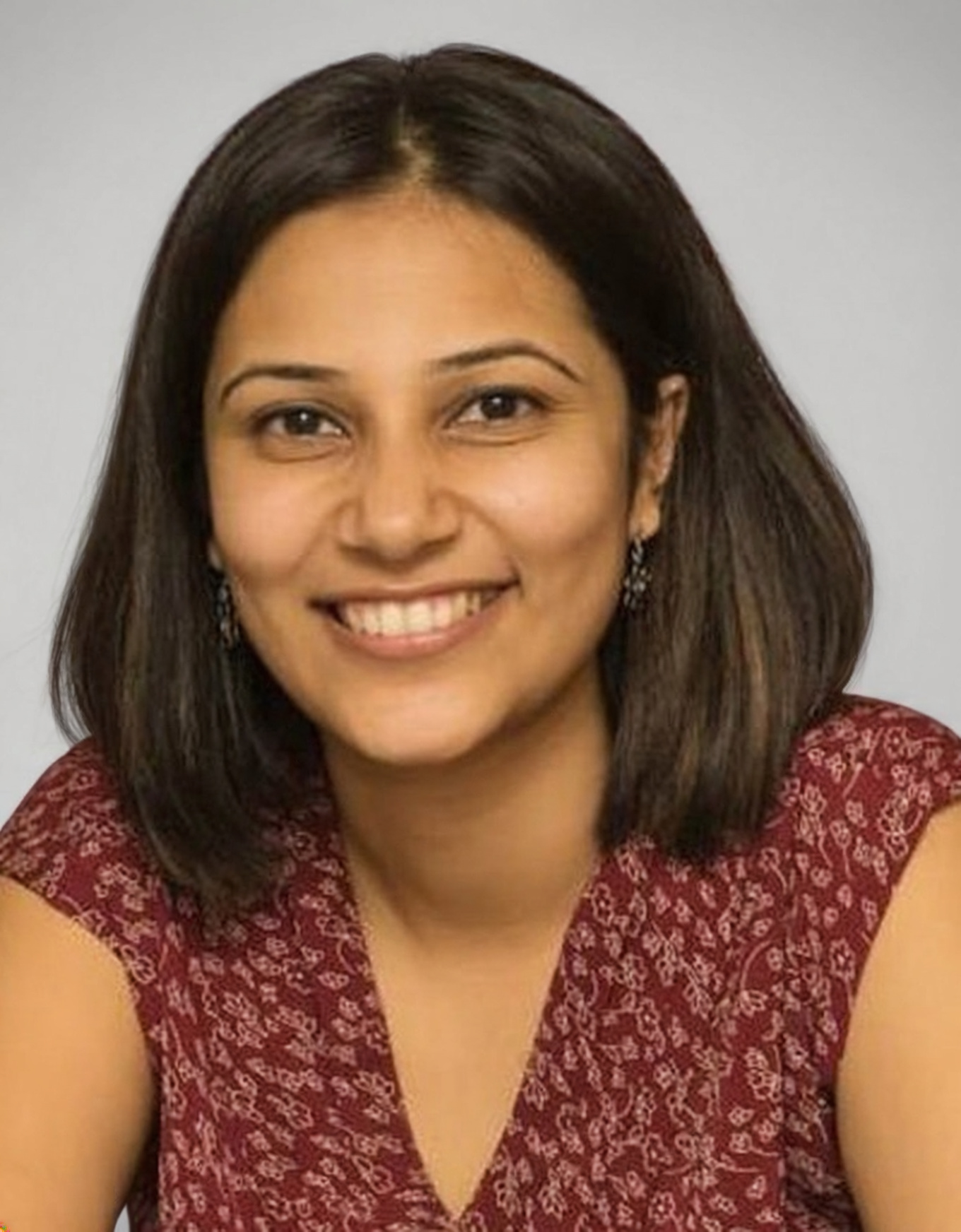
Senior Vice PresidentMs. Ishita Shively

Healthcare research and innovation leader involved with Apollo Research & Innovations and AHERF strategy.
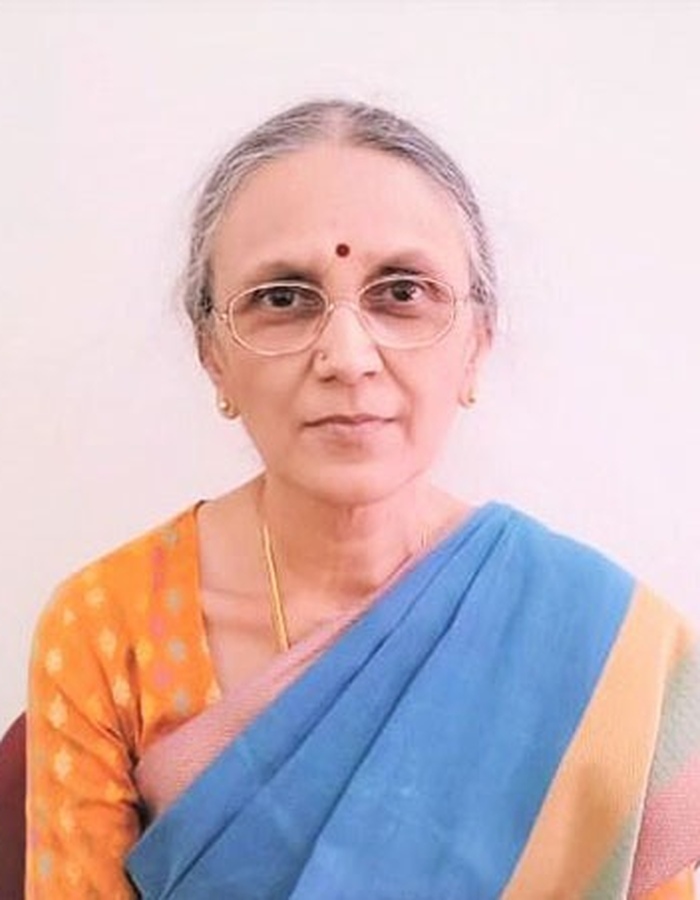
DirectorDr. Jayanthi Swaminathan

Clinical operations leader with experience in DSIR-recognized research laboratories, clinical trials and training programs.
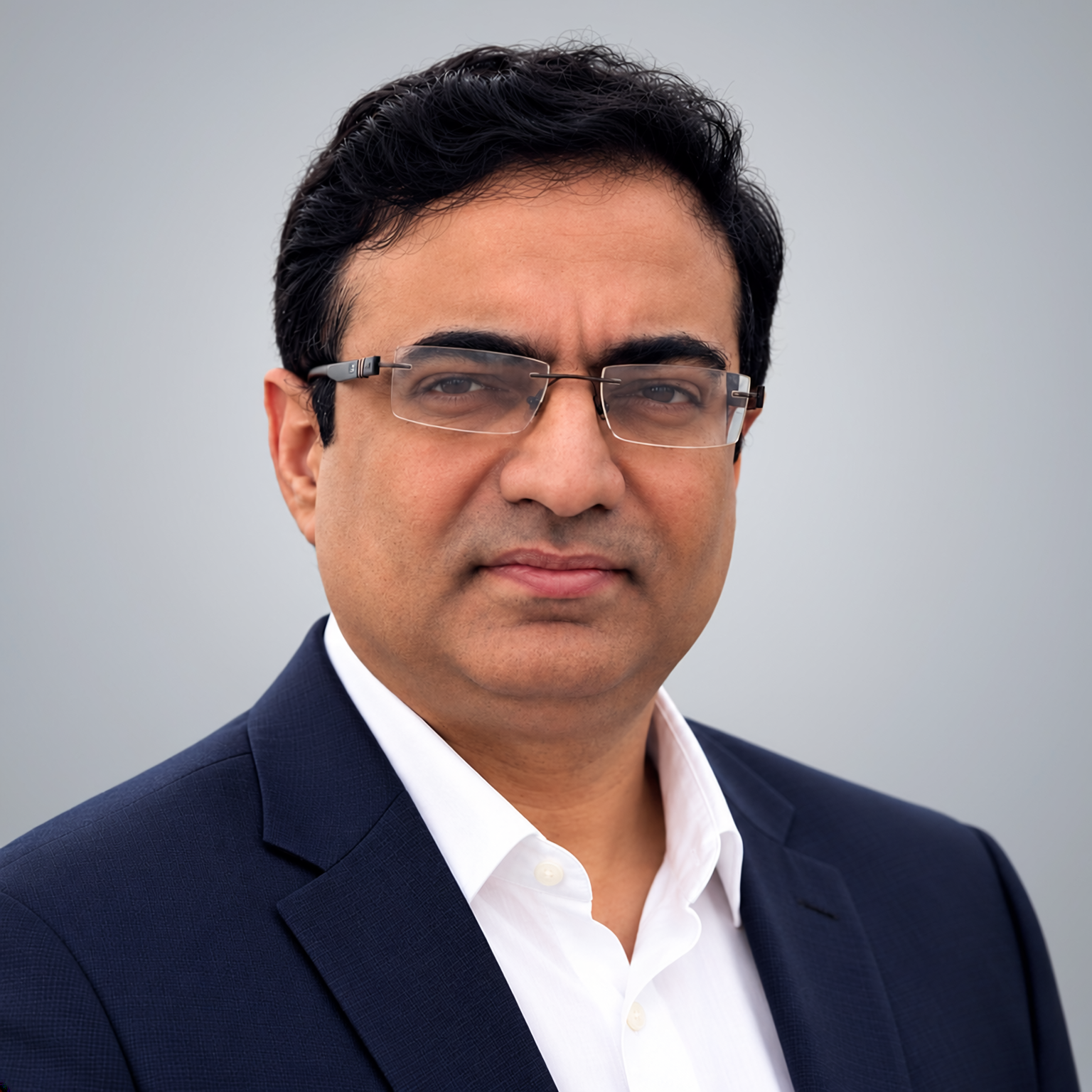
Chief Scientific OfficerDr. M. V. Sasidhar

Scientist focused on biomarkers, personalized medicine, exosome biology, EV portfolio expansion and translational research strategy.

Official identity: AHERF and Apollo visual identity assets, including logos and leadership portraits, are managed through official institutional channels.
Next route

Visitors who want scientific capability should move to CMBRC. Visitors looking for proof should move to Evidence & Impact. Visitors evaluating trust, compliance or collaboration rules should move to Governance & Quality.
CMBRC

CMBRC: The translational research engine of AHERF

CMBRC is AHERF’s translational research laboratory in Hyderabad: a Class 10,000 wet lab spread across approximately 4000 sq. ft., supporting biomarker and diagnostic development, validation and advanced EV/exosome research.

What CMBRC does

CMBRC is the execution centre for translational diagnostics and biomarker science. Public AHERF material identifies core work in liquid biopsy, molecular diagnostics, cell-free therapeutics, drug delivery, exosome research standards, biomarker discovery and development, circulatory biomarker services, and analytical and clinical validation.

  • Translational diagnostics and LDT-readiness pathways.
  • Biomarker discovery, validation and reportable panel development.
  • EV / exosome research and workflow execution.
  • Liquid biopsy and multi-omics integration.
  • Clinical AI and biomarker modelling.
Why CMBRC matters

Many discoveries fail because they are disconnected from clinical context, reproducible workflows and validation pathways. CMBRC addresses this by operating as a bridge between clinical questions, laboratory workflows, quality gates and translational outputs.

  • Connects clinical need with method development.
  • Supports quality-gated and validation-ready science.
  • Creates a structured route from discovery to deployable biomarker evidence.
  • Supports clinical, academic, industry and startup collaborators.
Core scientific strengths
  • Exosome and extracellular vesicle research standards.
  • EV-based drug delivery protocols for hydrophilic and hydrophobic drugs.
  • Exosome-based biomarker identification and companion diagnostic development workflows.
  • Liquid biopsy and molecular diagnostics.
  • Biomarker discovery, circulatory biomarker services, and analytical / clinical validation.
  • Cell-free therapeutic concepts in regenerative medicine.
People

CMBRC brings together scientific leadership, platform teams, clinical collaborators, research trainees and advisory contributors.

  • Scientific leadership.
  • Technical and platform team.
  • Clinical collaborators.
  • Research trainees, fellows and project staff.
  • Advisory contributors.
Infrastructure

CMBRC is publicly described as a Class 10,000 wet lab of approximately 4000 sq. ft. in Hyderabad, supporting translational research in oncology, nephrology, neurology, diabetology and infectious-disease-linked workflows.

  • Wet-lab environment for translational biomarker and diagnostic work.
  • EV / exosome workflow development and characterization.
  • Molecular diagnostics and liquid biopsy capability.
  • Analytical and clinical validation support.
  • Education, internships, webinars, dissertation support and hands-on training programs.
Facility imagery: Public facility visuals can be added from approved AHERF/Apollo image libraries or licensed scientific imagery aligned with the CMBRC research environment.
Connection to platforms

CMBRC links into the deeper platform pages rather than repeating them in full.

CliniConnect

Clinical questions, cohorts and validation pathways.

EV-Works

EV methods, characterization and cargo profiling.

EV-Qual™

QC gates, reproducibility and benchmarking.

Biomarker Works

Molecular biomarker profiling and panels.

Clinical AI

Risk models and clinician-readable outputs.

Work with CMBRC

Bring a research concept, translational challenge or partnership opportunity.

Start a Project
People and Execution

Leadership and Research Team

AHERF-CMBRC brings together scientific leadership, researchers, project staff, clinical collaborators and quality-governed research operations. Individual profiles are presented by expertise and translational contribution rather than as oversized departmental teams.

Scientific leadership
MS
Chief Scientific Officer

Dr. M. V. Sasidhar

Leads CMBRC scientific strategy, the extracellular-vesicle portfolio, biomarker and precision-medicine programs, translational partnerships and the development of the AHERF EV Biofoundry.

EV biologyBiomarkersPrecision medicineTranslational strategy
  • PhD, Heinrich Heine University, Düsseldorf; postdoctoral training at UCLA.
  • Research interests include exosome biology, neuroimmunology, inflammation, genomics, proteomics and personalized medicine.
  • Guides diagnostic translation, laboratory-scale therapeutic research, collaborations, grants and innovation programs.
Researchers

Publicly available AHERF material identifies the following researchers and scientific roles. Detailed biographies, qualifications, photographs, ORCID/Google Scholar links and current project assignments should be verified and approved before production launch.

SK
Scientist

Mr. Sreekanth

Supports CMBRC research execution and extracellular-vesicle and biomarker programs.

EV workflowsMolecular researchProgram execution
  • Research workflow support and documentation.
  • Contribution to collaborative and institutional scientific programs.
  • Detailed profile to be completed after internal verification.
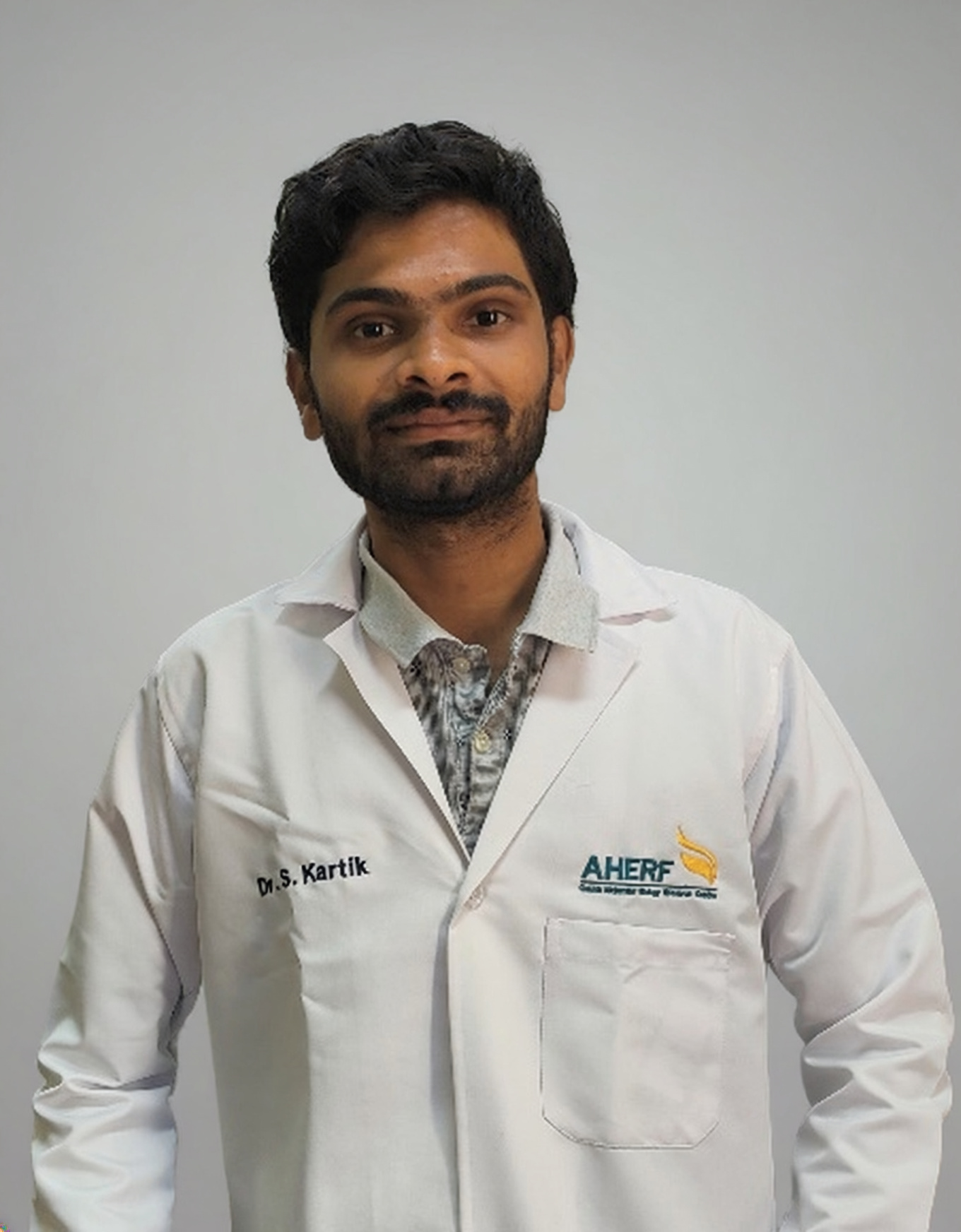
KK
Scientist

Dr. Kartik Kumar

Supports scientific research programs within AHERF, including translational and collaborative activities.

Translational researchScientific programsCollaboration
  • Participates in research and scientific-program execution.
  • Supports multidisciplinary translational initiatives.
  • Detailed profile to be completed after internal verification.
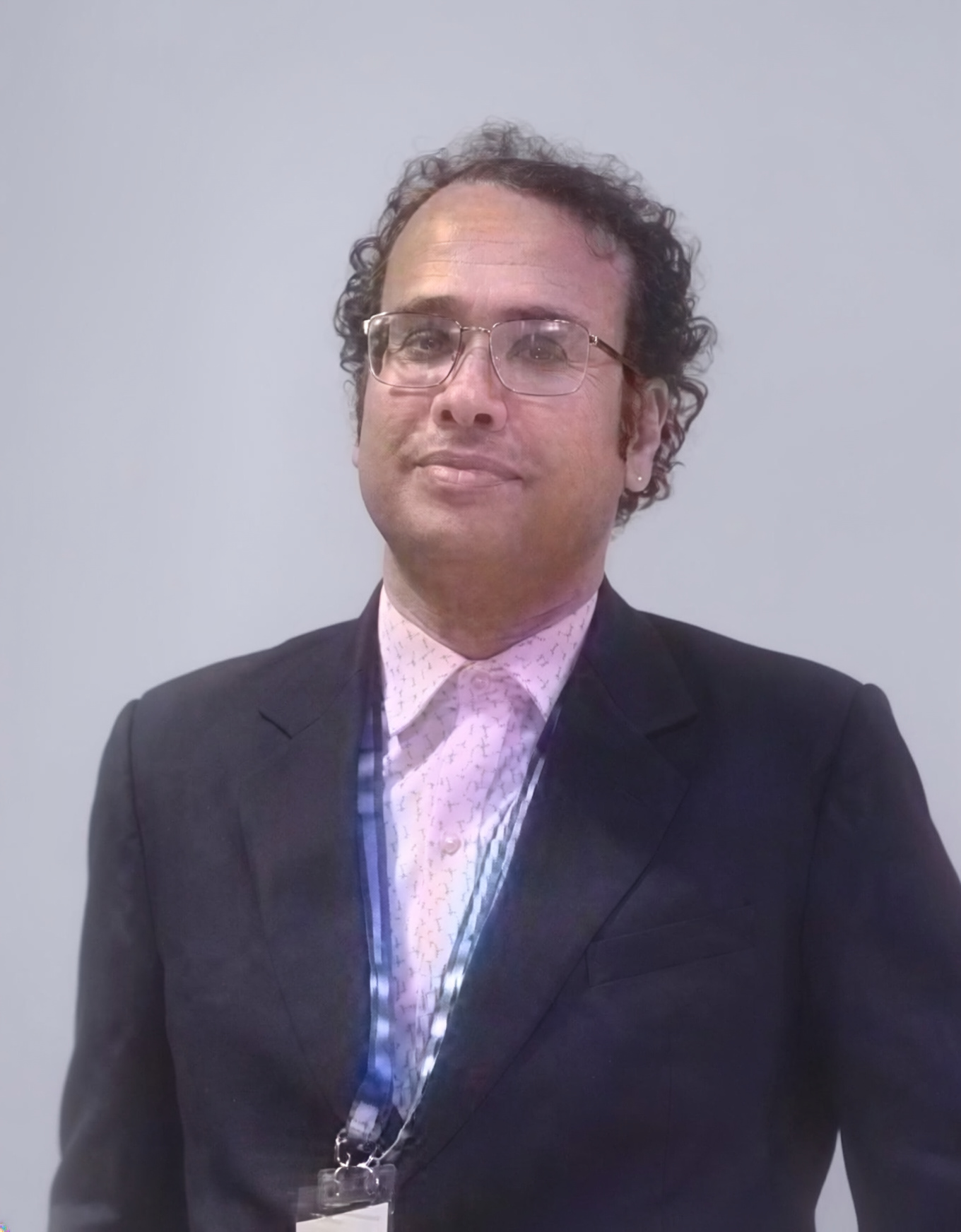
GS
Senior Scientist

Dr. Gautam Kumar Saha

Public AHERF information lists Dr. Saha as a senior scientist associated with research activity in the AHERF network.

Research programsProject supervisionClinical translation
  • Supports scientific project delivery and supervision.
  • Profile location and current program responsibilities require confirmation before launch.
RA
Research Staff

Research Assistants and Project Teams

Research assistants and project personnel support molecular biology, EV workflows, biomarker assays, sample processing, documentation, data readiness and collaborative project delivery.

PCRELISAWestern blotEV characterization
  • Project-specific staff profiles can be added with consent and institutional approval.
  • Current openings and fellowship-supported roles should link to the Careers page.
Research expertise across the team

EV and Exosome Science

Isolation, enrichment, characterization, cargo analysis, diagnostic workflows, laboratory-scale therapeutic research and regenerative applications.

Biomarker and Molecular Assays

Circulatory biomarkers, liquid biopsy, protein and transcript panels, digital PCR, molecular diagnostics and analytical-development support.

CliniConnect and Clinical Coordination

Clinical-question intake, cohort feasibility, biospecimens, metadata, ethics linkage, disease programs and clinician engagement.

EV-Qual™ and Research Quality

Pre-analytics, SOPs, acceptance criteria, traceability, comparability, reproducibility and controlled reporting.

Research Operations

Project scoping, milestones, records, partner communication, reports, grants, publications and translational handoff.

Education and Training

Internships, dissertations, webinars, hands-on workshops, faculty development and workforce-capability programs.

Profile completion required: Before publication, add approved photographs, current designations, qualifications, 60–90 word biographies, primary expertise, selected publications, current projects and approved professional links for every named researcher.

Connect with the research team

Submit a research concept, clinical question, service request, collaboration proposal, internship enquiry or training requirement through the common enquiry router.

Start an enquiry